Range Day | Indoor & Outdoor Etiquette
Blog Posted By Raptor Defense Inc.
October 29, 2025
Whether you’re a beginner or an experienced shooter, following proper safety rules and etiquette at gun ranges is crucial. Not only does it protect yourself and others, but it also ensures everyone enjoys a positive shooting experience. Let’s break down the essentials for indoor and outdoor ranges.
Indoor Range Etiquette
Indoor ranges have unique challenges due to confined spaces, close proximity of shooters, and ventilation concerns. Observing proper etiquette ensures safety and a smooth experience.
Outdoor Range Rules, Etiquette, and Safety Techniques
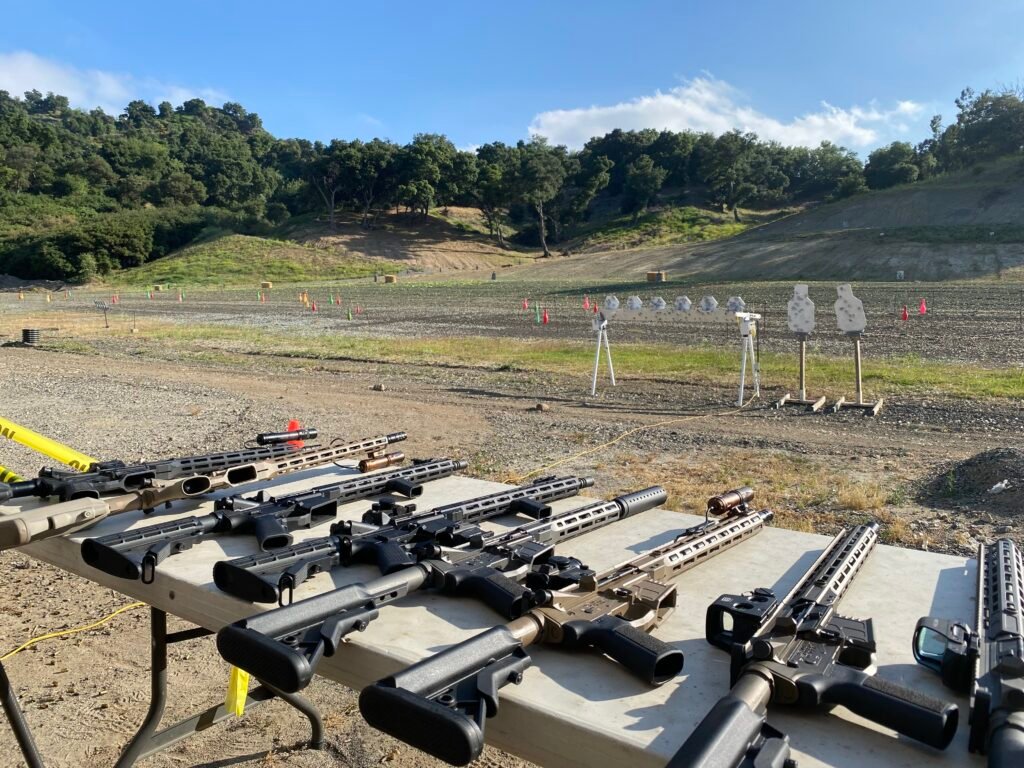
Outdoor ranges offer more space but introduce new variables such as terrain, weather, and natural backstops. The same basic principles apply, but there are additional considerations.
1. Follow All Posted Rules
- Read and understand range rules before handling any firearms.
- Pay attention to safety briefings or instructions from range officers.
2. Treat Firearm as Loaded
- Always assume guns are loaded.
- Keep your finger off the trigger until ready to shoot.
- Point the muzzle downrange at all times.
3. Keep the Firing Line Clear
- Only handle firearms at your assigned lane.
- Never cross the line while others are shooting.
- Collect your spent brass or other debris without disturbing neighbors.
4. Respect Noise Levels
- Wear proper hearing protection.
- Avoid loud conversations near shooting lanes, as sound can carry quickly indoors.
5. Range Capacity Aware
- Don’t monopolize the lane if others are waiting.
- Follow the posted time limits and maintain a courteous pace.
6. Malfunctions Safety
- Keep the firearm pointed downrange if it jams.
- Raise your hand and call a range officer if you need assistance.
Outdoor Range Etiquette
Outdoor ranges offer more space but introduce new variables such as terrain, weather, and natural backstops. The same basic principles apply, but there are additional considerations.
1. Situational Awareness
- Always be aware of your surroundings, including other shooters, animals, and bystanders.
- Check that your firing line has a clear, safe backdrop before shooting.
2. Respect the Firing Line
- Keep yourself and your firearm behind the designated line until instructed to shoot.
- Never cross the line while someone else is shooting.
- Follow commands from range officers without hesitation.
3. Environmental Considerations
- Dispose of spent casings and targets properly.
- Follow local environmental rules regarding lead, clay targets, or debris.
- Respect wildlife and private property if the range is in a rural setting.
4. Firearm Handling and Storage
- Treat every gun as loaded and follow safe handling rules at all times.
- Keep firearms unloaded and actions open when moving to and from your station.
- Use proper transport cases for firearms and ammunition.
5. Communicate Clearly
- Use established signals or verbal cues before shooting and when ceasing fire.
- Announce malfunctions or any safety issues immediately.
6. Communicate Clearly
- Use established signals or verbal cues before shooting and when ceasing fire.
- Announce malfunctions or any safety issues immediately.
5. Holstering and Handling a Holstered Gun
Proper holstering is critical to prevent accidental discharges, especially at outdoor ranges where movement is common.
- Always keep the firearm pointed in a safe direction when holstering or unholstering.
- Keep your finger off the trigger until the firearm is drawn and ready to fire.
- Use a quality holster that fully covers the trigger guard and retains the firearm securely.
- Draw and reholster slowly and deliberately; avoid rushing or fidgeting with the gun.
- Ensure your holster is positioned for clear access without interference from clothing or gear.
- Avoid holstering a gun that is loaded with a round in the chamber until you are ready to engage in a controlled exercise or course of fire.